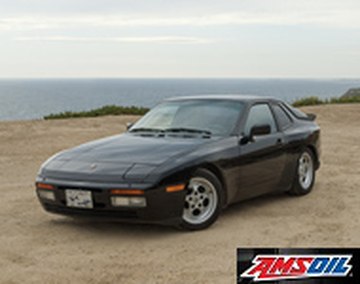
Maintenance Guidance for the 1983 Porsche 944 2.5L
Maintaining an older vehicle requires attention to fluid integrity and regular inspections of cooling and lubrication systems. For the 1983 Porsche 944 with the 2.5L engine, following specific guidance regarding coolant and engine oil can assist in routine upkeep.
What coolant does my 1983 Porsche 944 2.5L take?
The following products are listed for this vehicle: ANTPC1G-EA Passenger Car & Light Truck Antifreeze & Coolant and ANT1G-EA Low Toxicity Antifreeze and Engine Coolant.
Engine Oil Viscosity Considerations
When selecting engine oil for the 2.5L engine, it is important to use a grade that is listed for this application. The database indicates that 5W-40 is a listed viscosity for this vehicle. Using a viscosity that matches what is listed helps maintain consistent lubrication characteristics within the engine components.
Coolant System Maintenance
The cooling system is vital for managing engine temperatures. Beyond selecting one of the listed antifreeze and coolant products, regular inspections of the cooling hoses and connections are standard practice. Monitoring the level of the coolant in the reservoir can help identify potential leaks or evaporation before they lead to temperature fluctuations. If the coolant level appears low, it should be checked according to the manufacturer's instructions.
Monitoring Oil Levels
Regularly checking the engine oil level is a fundamental part of vehicle maintenance. This process involves using the dipstick to ensure the oil remains within the operating range. Consistent monitoring allows for the early detection of oil consumption or potential leaks. If the oil level frequently drops between service intervals, it may indicate a need for closer inspection of seals and gaskets.
Engine Oil Inspection and Condition
The physical condition of the engine oil can provide information about the internal state of the engine. While oil naturally darkens over time due to heat and combustion byproducts, extremely dark or gritty oil may suggest that a service interval has been exceeded. Additionally, checking for signs of contamination, such as a milky appearance, can help identify if other fluids are entering the lubrication system.
Service Intervals and Documentation
To maintain the 1983 Porsche 944 2.5L effectively, it is necessary to adhere to a consistent maintenance schedule. Because specific mileage or time intervals for oil changes and coolant flushes are not provided in this record, you should follow the owner's manual or the manufacturer's maintenance schedule. Keeping detailed records of when fluids were changed and what products were used can assist in long-term vehicle management.
When should I change the oil in my 1983 Porsche 944 2.5L?
To determine the correct interval for an oil change, follow the owner's manual or the manufacturer maintenance schedule.
What oil does my 1983 Porsche 944 2.5L take?
The following oils are listed for this vehicle:
- EFMQT-EA — SAE 5W-40 FS Synthetic European Motor Oil
- AFLQT-EA — SAE 5W-40 MS Synthetic European Motor Oil
What oil filter does my 1983 Porsche 944 2.5L need?
The following oil filter is listed for this vehicle:
- W71922-EA — MANN-FILTERS Oil Filters
What transmission fluid does my 1983 Porsche 944 2.5L take?
The following fluids are listed for this application:
- ATFPK-EA — Signature Series Multi-Vehicle Synthetic Automatic Transmission Fluid
- OTFQT-EA — OE Multi-Vehicle Synthetic Automatic Transmission Fluid
What fuel filter does my 1983 Porsche 944 2.5L need?
The following part is listed for this vehicle:
- WK726-EA — MANN-FILTERS Fuel Filters
What differential or gear oil does my 1983 Porsche 944 2.5L take?
The following options are listed for this vehicle:
- SEVERE GEAR® 80W-90 (AGLPK-EA)
- SEVERE GEAR® 75W-90 (SVGPK-EA)
- SEVERE GEAR® 75W-110 (SVTPK-EA)
BUYING ENGINE OIL
When buying engine oil for this application, look for products that list the 5W-40 viscosity. Ensure you are selecting a product that is listed for your specific vehicle to maintain proper lubrication standards. Always verify that any new oil meets the requirements outlined in your owner's manual.